


Knowledge, experience, and real-world safety expertise from Flare.
Browse by category using the filters below.

Pyrotechnics are rarely used outside of emergencies, so they can remain in storage for years at a time. This makes proactive management essential to ensure they stay fully compliant and operational.
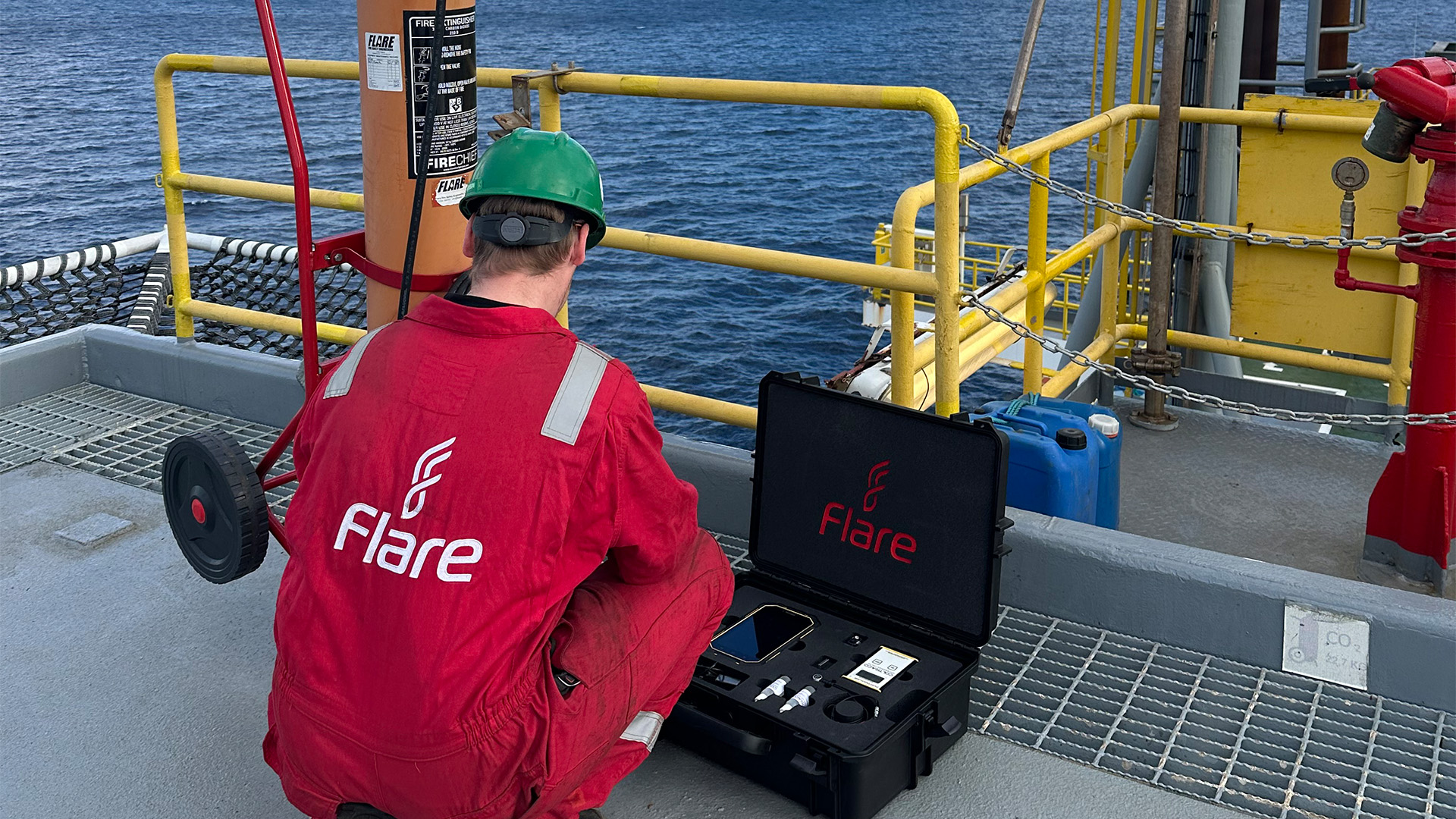
Learn what independent third-party firefighting equipment inspections involve for offshore and marine assets, from breathing apparatus testing to compliance documentation and on-site servicing.
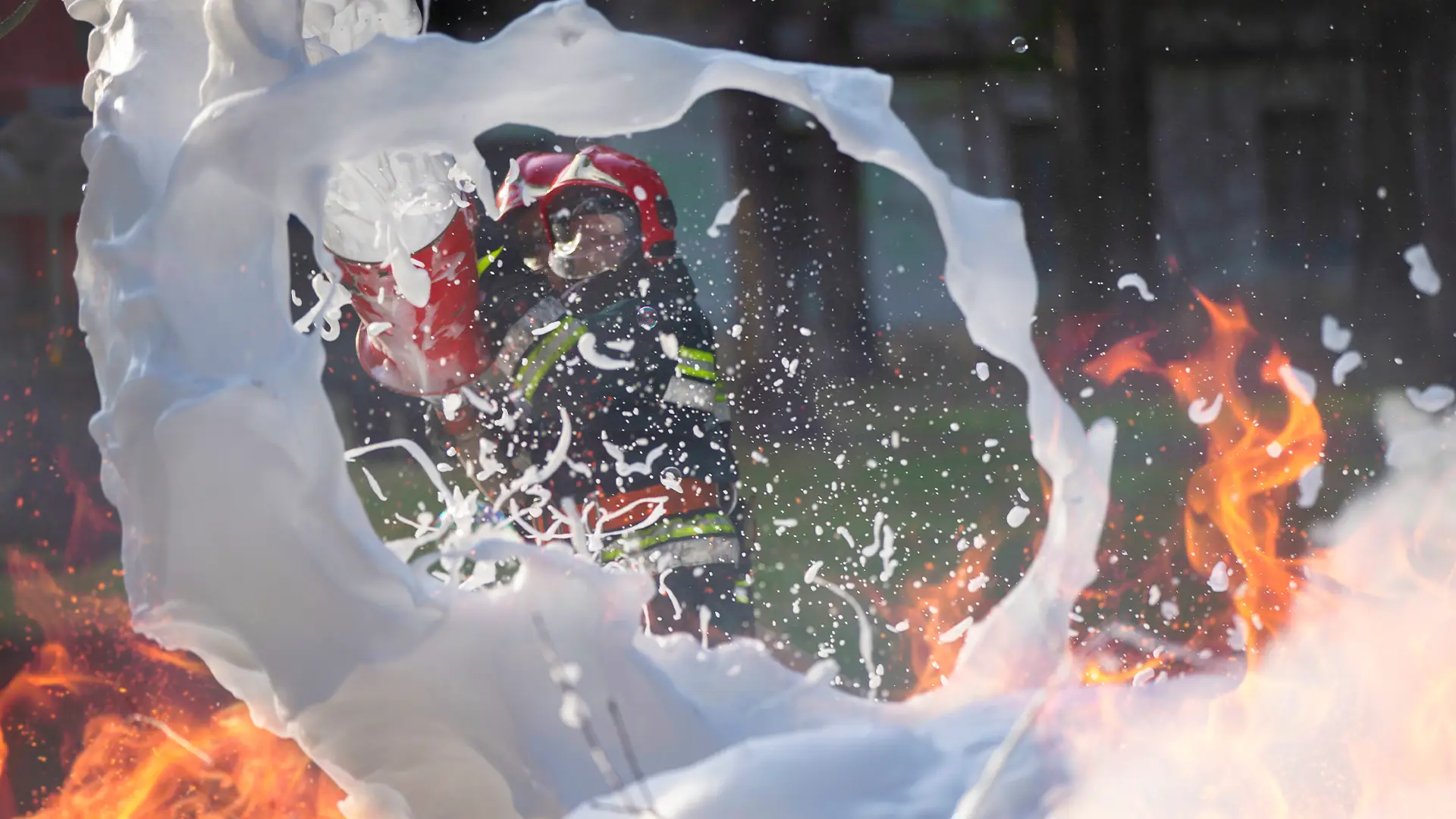
Between 2025 and 2035, every vessel and offshore installation using AFFF will need to transition - and the first deadline arrives in less than twelve months.

At Flare FSE, the ALARP principle underpins everything we do, from fire safety assessments to emergency response planning. But we've seen firsthand how misconceptions about ALARP can lead operators astray, creating unnecessary risk or wasted resources. Let's cut through the confusion and explore what ALARP really means for safety at sea.
The most successful operations today understand that safety and efficiency work hand in hand. Here's how industry leaders are setting new standards.

As Flare marks an exciting decade of delivering trusted safety solutions across the globe, we’re taking the time to look forward. We're not just focusing on what we build, but how we build it. That's where Flare Cares comes in, our comprehensive ESG and sustainability program.

A practical guide to CAP437, the offshore helideck safety standard. What it covers, why it matters, and how to stay compliant with the right equipment and support.

Fire extinguishers. We’re used to seeing these red tanks everywhere, but what do you know about them? They’re essential safety devices, specifically designed to fight small fires in emergency situations. The correct selection, installation, and maintenance are vital to ensure safety. This guide looks at the different types of fire extinguishers, the regulations governing their use in the United Kingdom, as well as how they fit into the wider safety landscape.

Think about the last time you were working on an offshore platform, surrounded by the constant hum of machinery. Or standing on a busy factory floor with loud equipment all around. We get used to these noisy environments, but they can be harmful to your hearing over time.
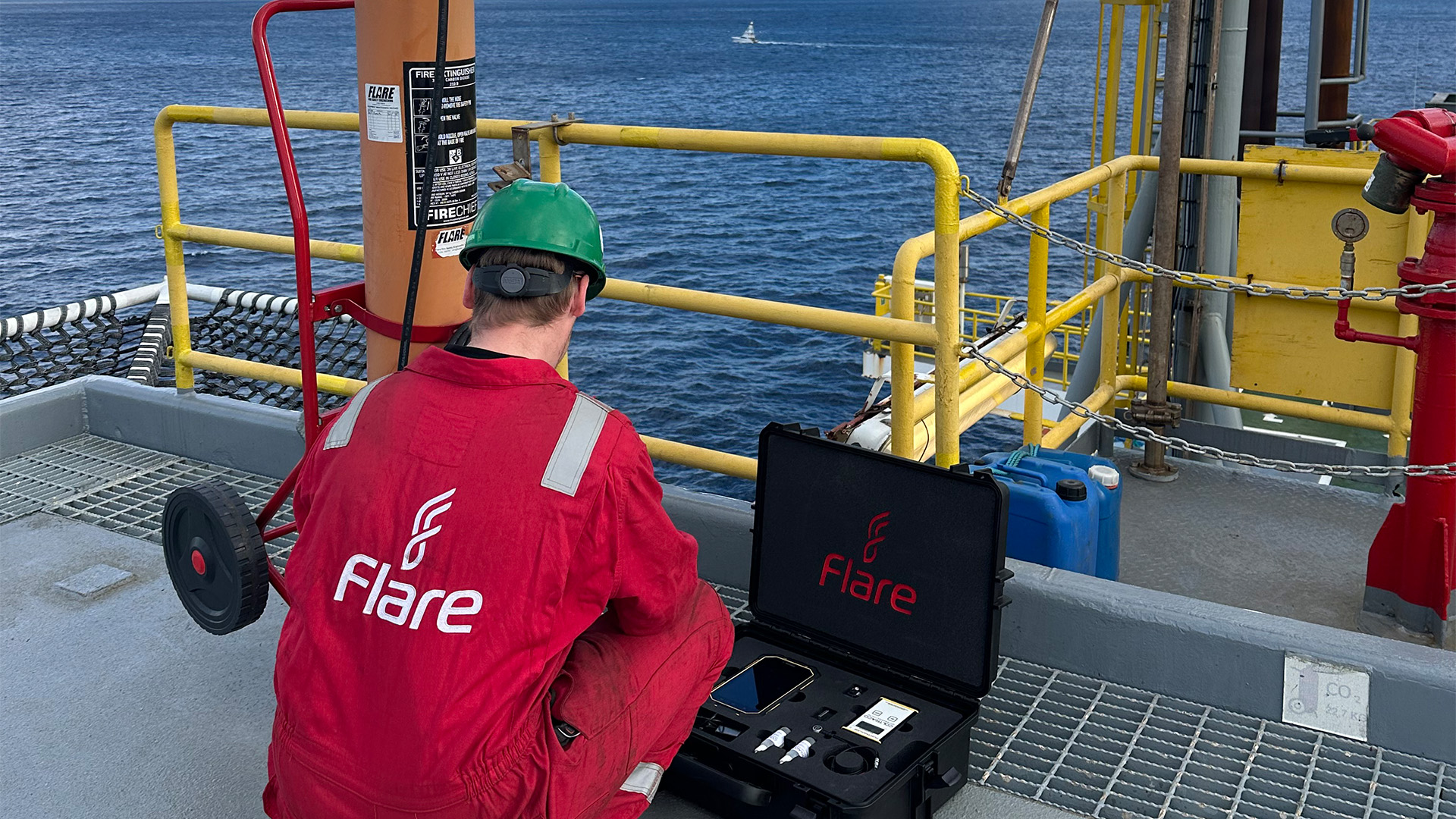
Small equipment defects and overlooked maintenance issues are often the starting point of major incidents. While digital tools improve visibility, regular inspection, testing and maintenance remain essential to ensure safety-critical systems perform when needed.
What We Find When Systems That Have Always Worked Are Finally Opened Up.
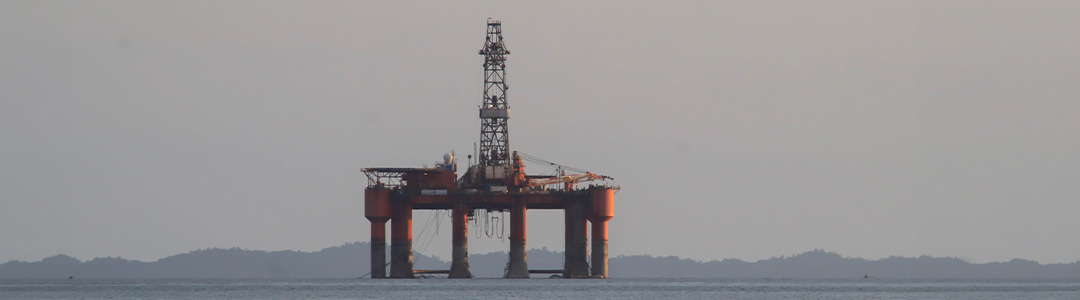
Offshore installations don't change overnight. They accumulate change: a retrofit, a temporary installation that becomes permanent, an electrification upgrade that introduces equipment the original fire strategy never accounted for.
At Flare FSE, the ALARP principle underpins everything we do, from fire safety assessments to emergency response planning. But we've seen firsthand how misconceptions about ALARP can lead operators astray, creating unnecessary risk or wasted resources. Let's cut through the confusion and explore what ALARP really means for safety at sea.
The most successful operations today understand that safety and efficiency work hand in hand. Here's how industry leaders are setting new standards.
Think about the last time you were working on an offshore platform, surrounded by the constant hum of machinery. Or standing on a busy factory floor with loud equipment all around. We get used to these noisy environments, but they can be harmful to your hearing over time.

What does it take to ensure offshore safety in some of the most challenging environments on Earth? For workers on oil rigs and renewable energy platforms, navigating these high-risk conditions daily means the stakes couldn’t be higher.

Santa’s sleigh. A true marvel of magical engineering. It blends speed, efficiency, and magic to deliver billions of gifts in a single night – and has done this for at least 200 years! Santa probably isn’t subject to the same laws as we mortals (breaking and entering?), but if it were subject to the same rigorous safety rules, would it pass an audit?

Is your company’s safety culture as strong as it could be? Find out with our Safety Culture Assessment Toolkit — a free, easy-to-use resource to help you measure, enhance, and build a culture that protects and empowers your team.

October 2024 marks 50 years since the Health and Safety at Work Act 1974 (HSWA). This landmark piece of legislation fundamentally reshaped safety standards in all work environments, including high-hazard environments, such as offshore oil, gas, and electricity sectors, where lives and infrastructure are at stake every day.

Effective QHSE safety management is vital in any industry. But how do we know where to start? The Hierarchy of Controls is a model that provides a structured approach to mitigating workplace hazards. It helps determine the most effective measures to mitigate risks and protect workers, facilities, and the environment. Understanding how to apply the hierarchy is essential for anyone involved in creating or maintaining safe workplaces, but even seasoned professionals sometimes overlook its practical application.

The renewable energy industry is growing fast—especially wind power, which could hit £167 billion by 2028. But with this rapid growth, fire safety is becoming an issue we can't brush aside. It's one of those risks that can bring everything to a screeching halt if we don't take it seriously.

The offshore oil and gas industry is high-risk and a strong safety culture is essential for a company to thrive. This article explores the top five safety culture challenges and offers actionable strategies to overcome them.

Many dismiss 'safety culture' as a corporate buzzword, but it's crucial to long-term success So, what exactly is a safety culture, why is it so important, and how can companies build one that truly protects their most valuable asset: their people?

The oil and gas industry is fraught with potential hazards and managing these risks is paramount to ensuring the safety of workers and the environment. Flare, a leading provider in this sector, offers a suite of solutions through our Hazardous Environment Services (HES) division. Harry Smith sat down with OGV Energy to explain more.

Discover effective stress management strategies, personal anecdotes and expert tips for enhancing well-being and productivity amidst life's challenges.
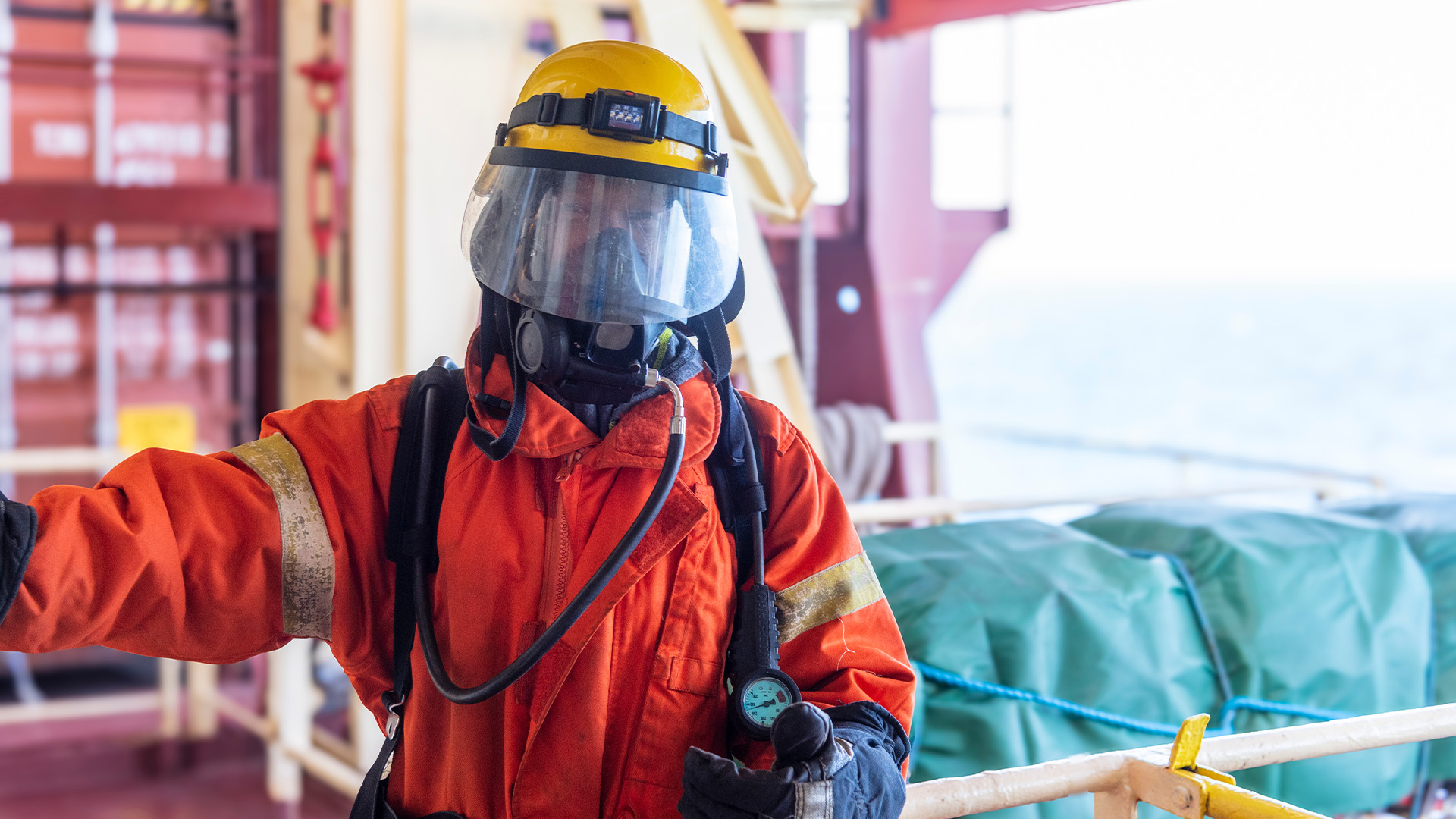
SCBA and EEBD both provide breathable air in hazardous environments, but they serve very different purposes. This guide explains the distinction between entry and escape equipment, common applications, training requirements, and why effective emergency preparedness depends on more than compliant hardware alone.
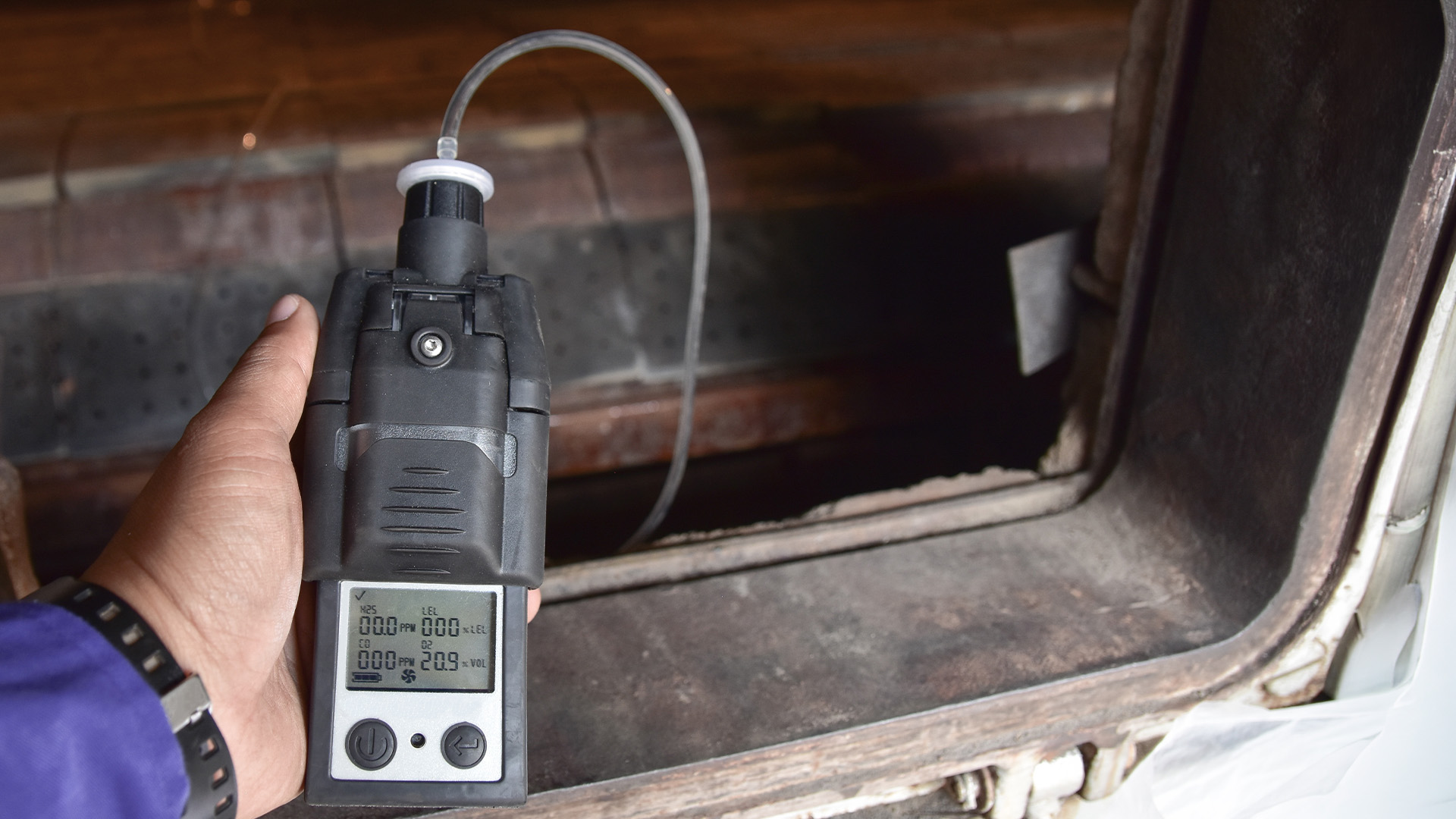
Between 2000 and 2024, at least 1,010 crew and shore workers lost their lives in enclosed spaces aboard ships, an average of forty deaths every year. The number of incidents has not meaningfully declined since InterManager began compiling statistics in 1998.
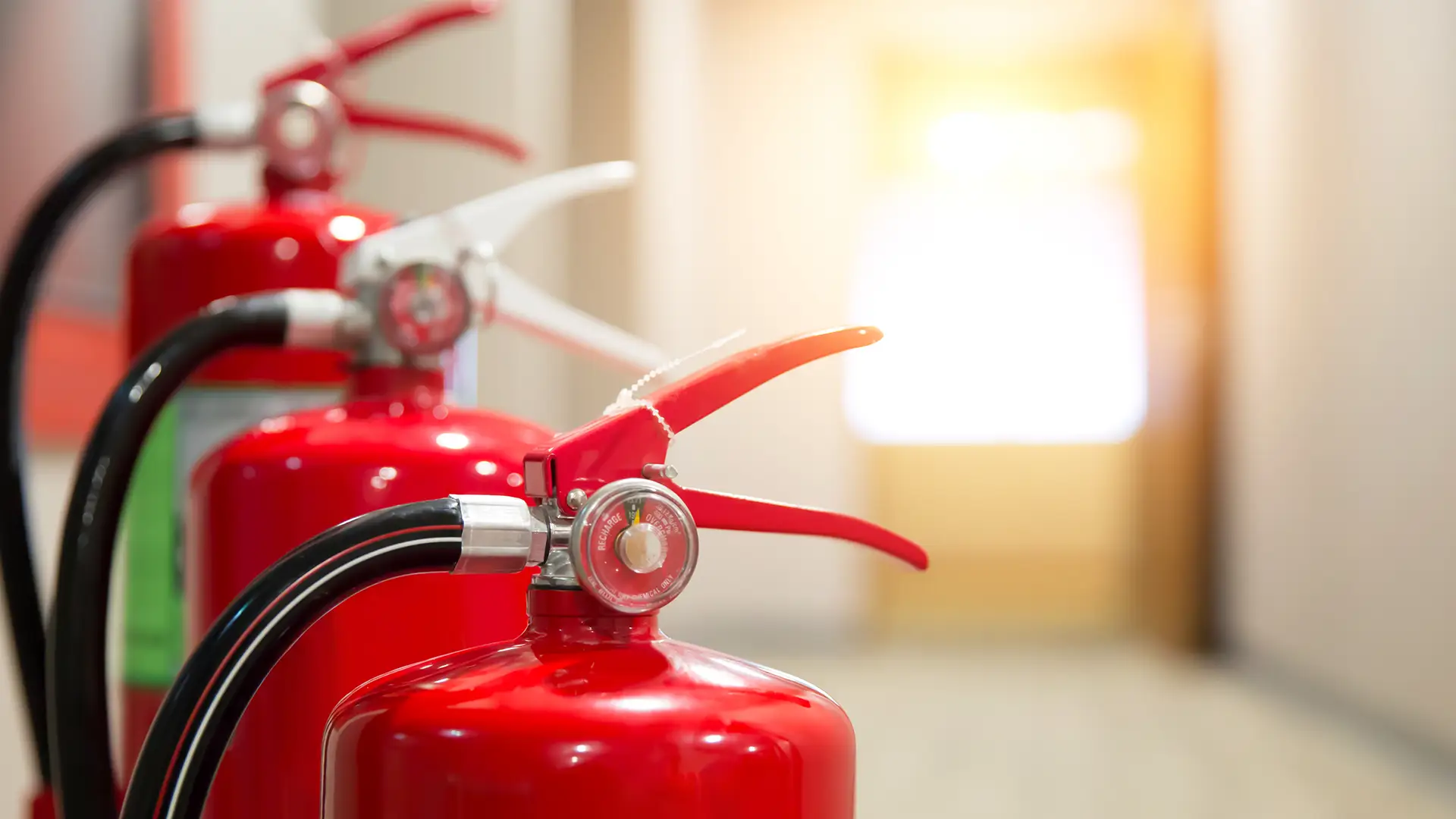
On an offshore installation, a fire extinguisher that fails to work when needed is a potentially fatal gap in your last line of defence.
Pyrotechnics are rarely used outside of emergencies, so they can remain in storage for years at a time. This makes proactive management essential to ensure they stay fully compliant and operational.
Learn what independent third-party firefighting equipment inspections involve for offshore and marine assets, from breathing apparatus testing to compliance documentation and on-site servicing.
Between 2025 and 2035, every vessel and offshore installation using AFFF will need to transition - and the first deadline arrives in less than twelve months.
A practical guide to CAP437, the offshore helideck safety standard. What it covers, why it matters, and how to stay compliant with the right equipment and support.
Fire extinguishers. We’re used to seeing these red tanks everywhere, but what do you know about them? They’re essential safety devices, specifically designed to fight small fires in emergency situations. The correct selection, installation, and maintenance are vital to ensure safety. This guide looks at the different types of fire extinguishers, the regulations governing their use in the United Kingdom, as well as how they fit into the wider safety landscape.

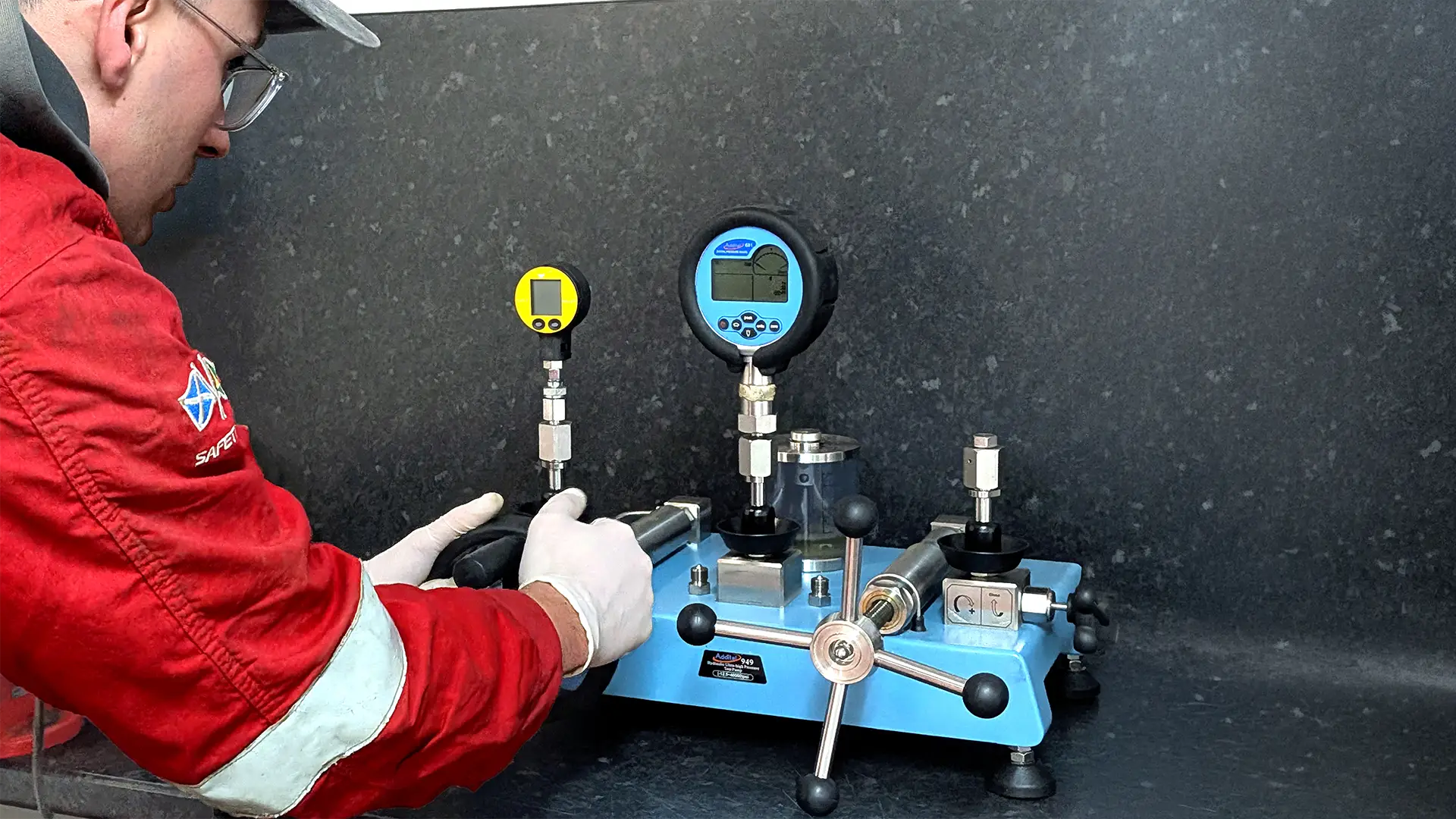
Every industrial operation depends on Pressure Relief Valves (PRVs) and critical gauges to safeguard equipment, personnel, and productivity. When properly maintained, these essential components prevent costly failures and ensure operational continuity.

Hydrogen sulphide (H2S) is a colourless, flammable, and highly toxic gas that’s found naturally in many different places It’s often referred to as "sour gas" due to its strong rotten egg smell. Arising in crude oil and natural gas deposits, H2S also comes from the decomposition of organic matter in various industrial processes. This seemingly innocuous odour can quickly turn deadly, making H2S a significant safety concern across numerous industries.

Offshore operations can present many dangers, which means that safety is paramount. One crucial aspect of maintaining a safe work environment in these circumstances is the proper use and understanding of breathing apparatus (BA). This equipment is vital when working in hazardous environments, especially those that may contain harmful gases like hydrogen sulphide (H2S).

Discover how Flare restored critical clean‑agent fire protection systems for a Borr Drilling offshore asset in Gabon. Safe, compliant, and without operational disruption.
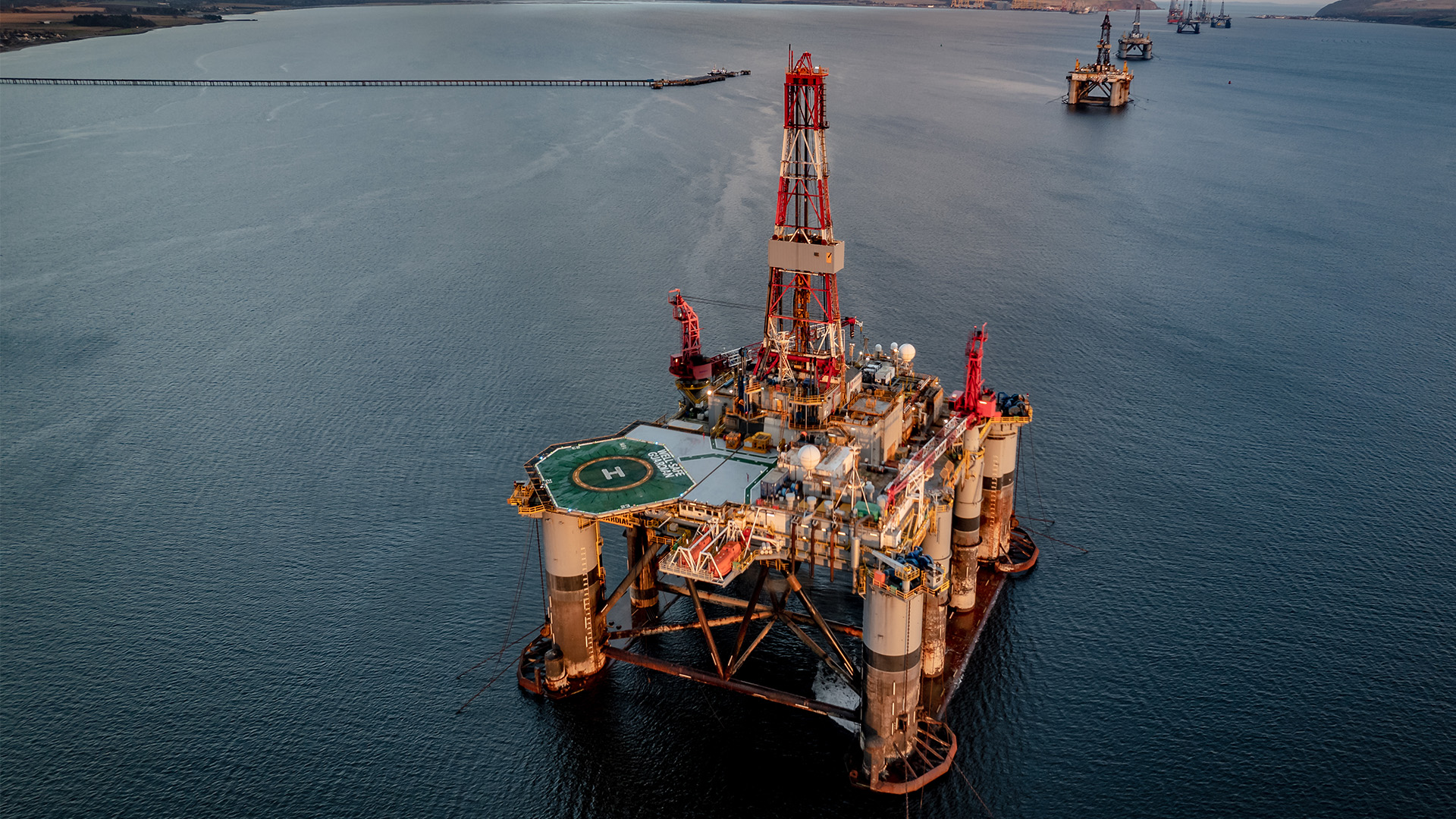
Discover how Flare engineered and delivered a Class‑aligned fire protection solution for the Well‑Safe Guardian diving operations — on time, compliant, and built for real‑world offshore risk.
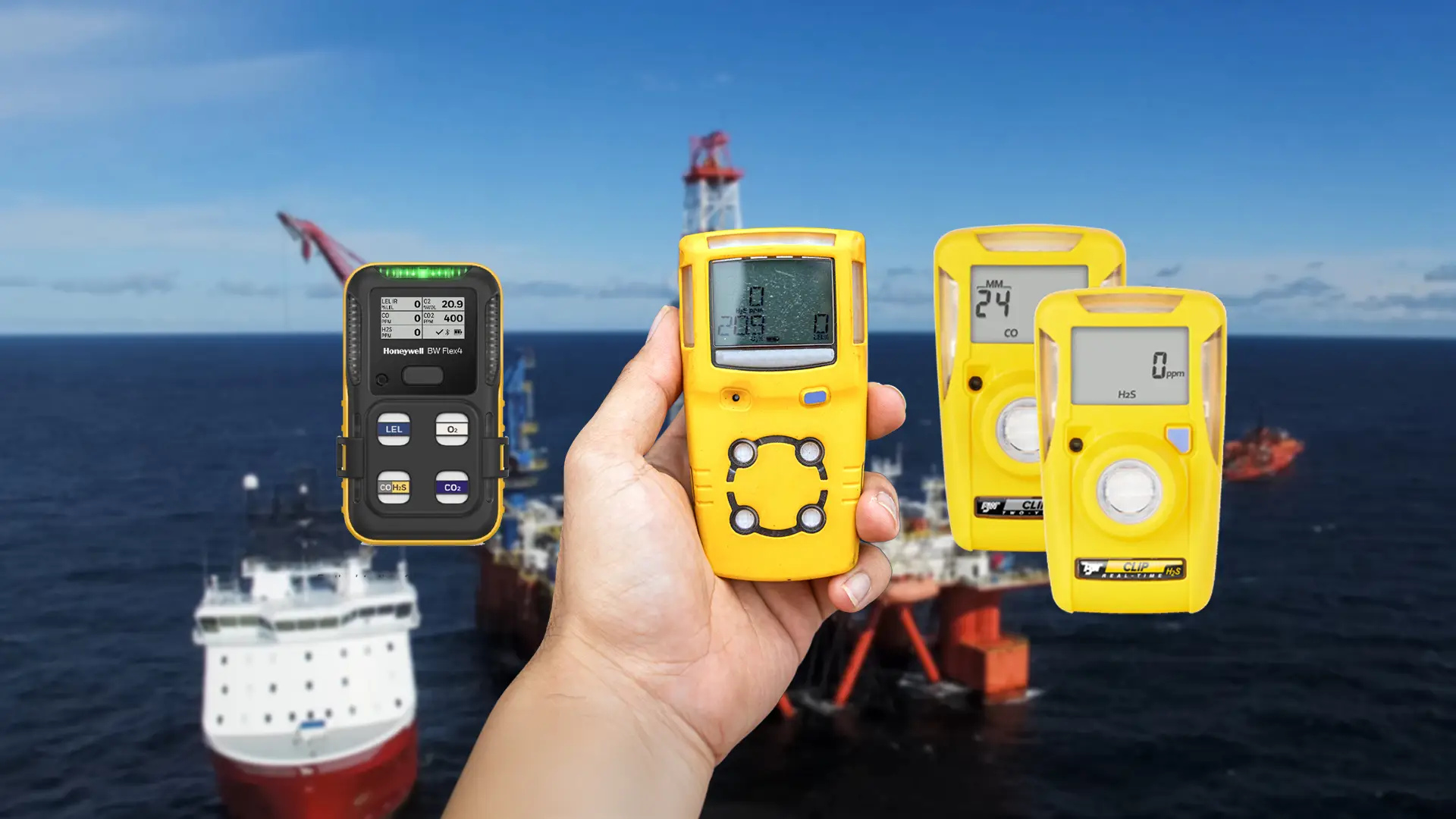
Proven Multi‑Gas Safety - ready for immediate deployment
As Flare marks an exciting decade of delivering trusted safety solutions across the globe, we’re taking the time to look forward. We're not just focusing on what we build, but how we build it. That's where Flare Cares comes in, our comprehensive ESG and sustainability program.

Flare wasn’t born in a boardroom, with a grand plan or an elaborate launch. It was started in 2015, right when the oil and gas industry was hitting a downturn. The world was uncertain, but Flare’s founders were clear on one thing: we wanted to make offshore safety better, simpler, and more reliable.

Is it time to step away from the desk and onto the green? Discover how golf can enhance your professional life in unexpected ways. Golf isn't just a sport; it can be an exciting tool that can help drive success in business. Teeing off can transform your networking efforts, strengthen your team dynamics, and even boost your overall well-being.

CUSTOMERS FIRST: Flare is a leading provider of safety solutions in the energy sector offering an expansive range of services.

Safety isn't just about fire extinguishers and PPE. We care deeply about the mental health of our team, with many initiatives in place to help. As part of Mental Health Awareness Week 2024, Fire Safety Tech, Darren Stewart offered to write a piece for our website.

Flare, a leading energy services provider, has announced the launch of its new Hazardous Environment Specialist (HES) Services, aimed at catering to all tiers of field development and decommissioning markets across the globe.

Enormous efforts are being placed on the acceleration of AI and innovative technologies to increase sustainability, streamline industry practices and improve partner synergies.

Today, we mark International Women’s Day by placing a spotlight on women & girls around the world and join the open forum by “speaking up” about current gender inclusion matters and the challenges faced by women in our modern world.

Seagreen, Scotland’s largest offshore wind farm, starts generating clean energy, powering 1.6 million homes. Find out how Flare supports this sustainable project.

Flare Forges Ahead with Groundbreaking Achievements in the World of Renewable Energy

At Flare, safety isn’t just about physical protection – it also includes mental wellbeing.

Flare Fire Safety Engineering Secures Major Contract for Well-Safe Guardian's Fire Suppression Systems
From technical guidance to real-world project support, Flare helps clients stay compliant, prepared and protected. If you need advice, equipment, servicing or a trusted safety partner, speak to our team today.


