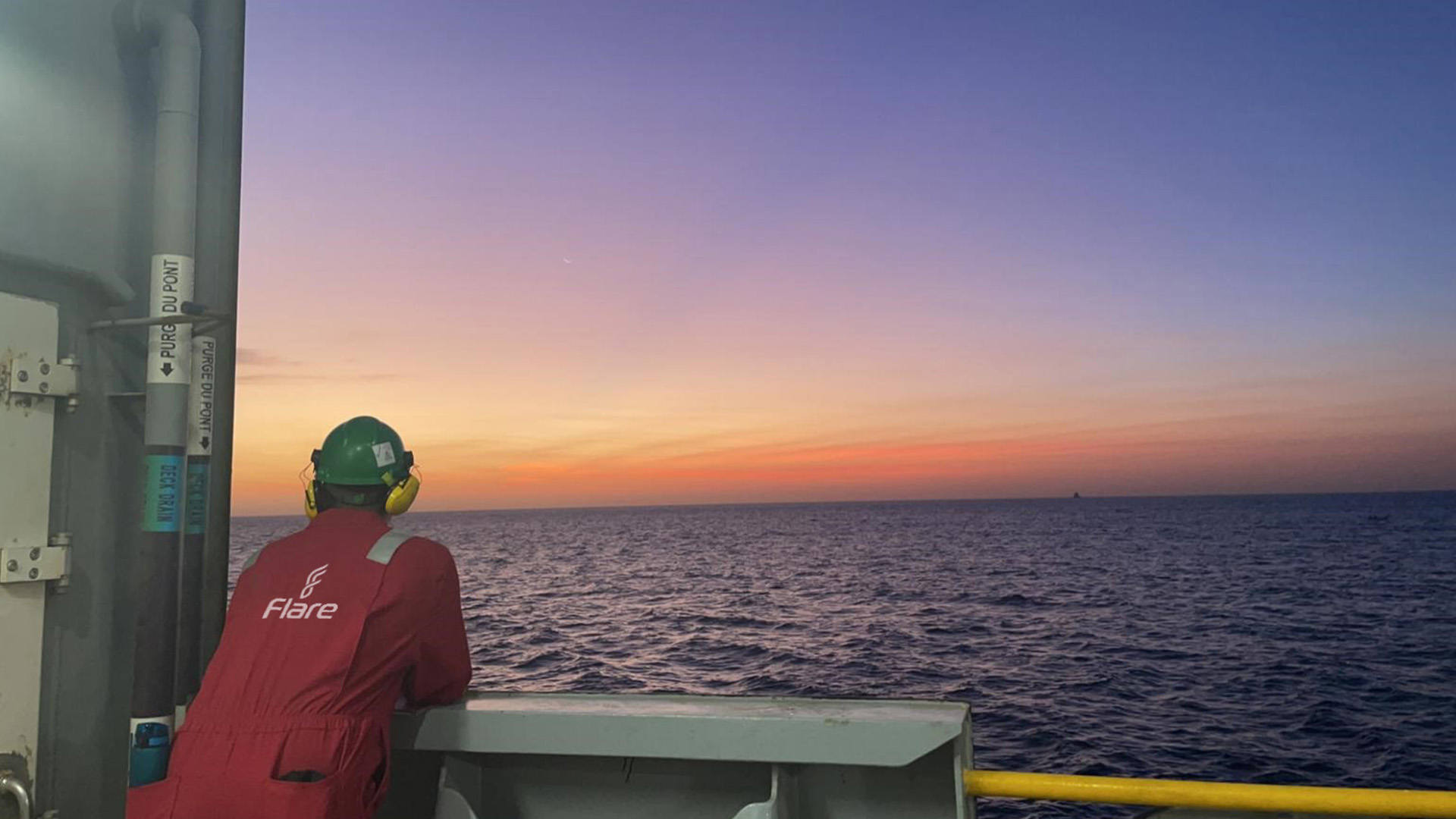
When a fire breaks out 120 miles offshore, there is no fire brigade coming.
Your firefighting equipment is the response. That’s why every extinguisher, BA set, hose, deluge valve and suppression system must work exactly as intended. First time, every time.
Harsh marine environments can accelerate corrosion, degrade foam, contaminate compressed air, and quietly weaken equipment long before it looks damaged. This means that a fire that would be manageable onshore can become catastrophic at sea, where support may be days away.
This is why annual servicing isn’t an administrative box ticking exercise. It’s a critical, technical process governed by strict international standards, requiring specialist equipment, competent engineers, and complete independence.
This guide explains what a high quality Annual Fire Fighting Equipment Service (AFFES) actually involves, why it matters, as well as:
Maintaining firefighting equipment isn’t optional. But it can create a tension between compliance and operations. Traditionally servicing requires removing equipment from the asset for testing and recharging. This led to logistical difficulties, increased People on Board (POB) movements, and downtime that could affect production.
Equipment spent weeks in transit. Assets would have to operate with lower levels of protection. Temporary equipment had to be sourced and tracked. The administrative burden this would cause is enough to send any H&S department into a panic.
This is why we have developed on-site servicing models, where specialised workshops are mobilised directly to the asset.
Non-compliance with the legal standards carries bigger consequences than regulatory fines.
When a fire suppression system fails during an incident, there is always potential for loss of life or damage to the asset.
That’s not to mention the possibility of environmental remediation expenses and a complete stop to production.
Maintaining FFE to recognised standards (IMO, NFPA, ISO, BS EN) is a contractual requirement in most insurance policies. Following an incident, investigators will examine service histories and incomplete records or work performed by unqualified personnel could void your coverage.
This strict regulatory framework exists because the margin for error in offshore environments is zero. The requirements are straightforward: maintain detailed, auditable records that demonstrate compliance with recognised standards.
A legitimate third-party inspection is not simply a visual survey. It's a full technical audit that stress-tests equipment to multiple standards (BS EN, ISO, IMO, and NFPA) depending on the asset type and flag state requirements as well as manufacturer stipulated maintenance schedules.
Breathing apparatus sets are a good example of the depth of the inspection. In a smoke-logged environment, BA sets can be the only barrier between crew members and disaster. A comprehensive service includes deep cleaning and disinfection, flow testing to verify regulator performance, and visor polishing to ensure visibility isn't compromised.
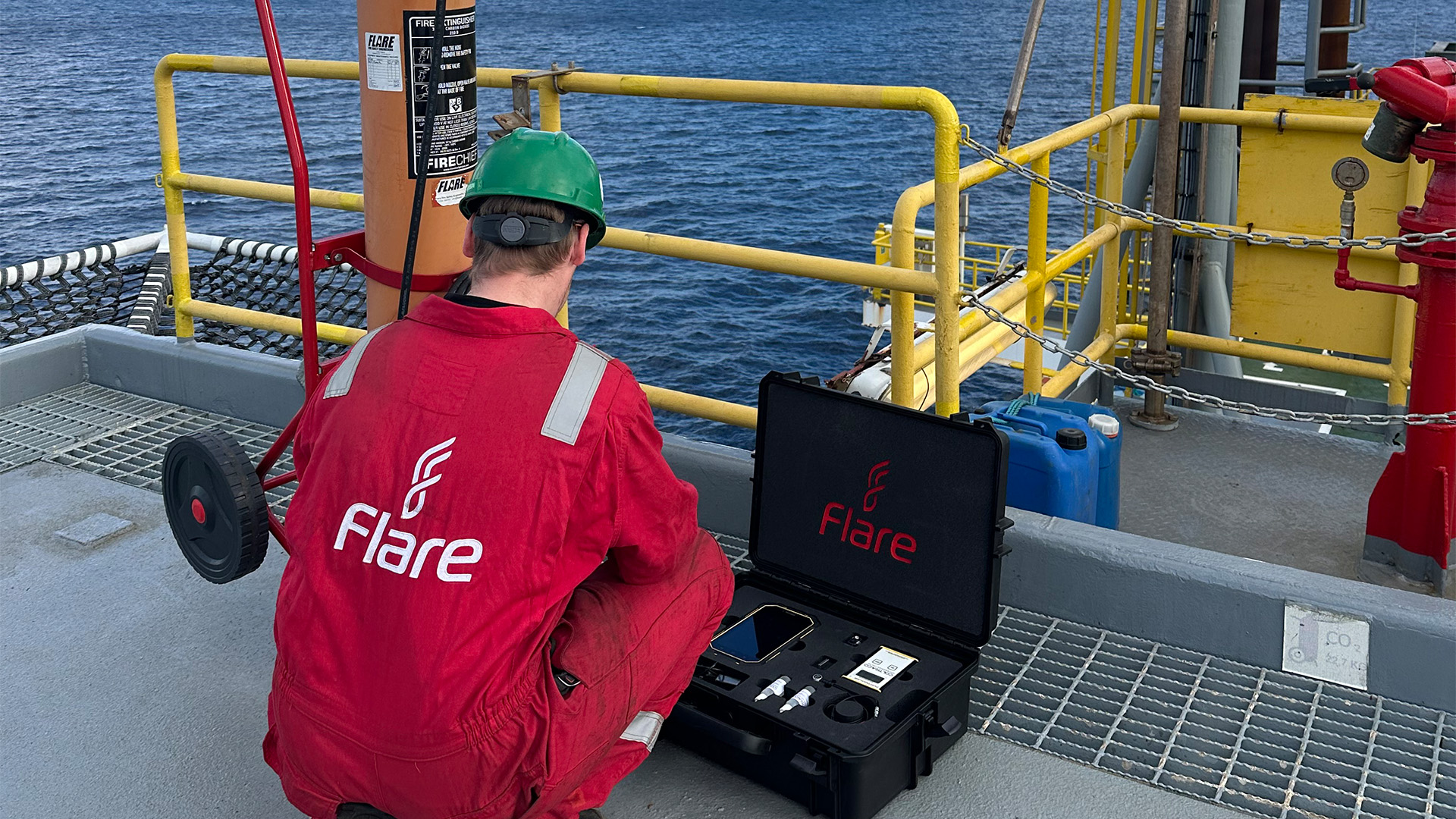
We also carry out onsite breathing air analysis. Technicians check for CO2, CO, oil mist, and water vapour. In offshore environments, where air compressors operate in harsh conditions and face potential contamination, this testing ensures that equipment works as needed, when needed. Compressed air quality that meets BS EN 12021 standards could be the difference between a near miss and a fatality.
For carbon monoxide, the standard requires less than 5 parts per million. Oil mist must be below 0.5 mg/m³. Water vapour content must remain within specified dewpoint ranges to prevent corrosion of cylinder internals. These are precise technical requirements that require calibrated testing equipment and competent personnel to verify.
Fire hoses are another important part of the inspection. A visual inspection along isn’t enough to pinpoint any internal degradation that would lead to failure under pressure. A full check involves running out hoses under pressure to check for any cracking, distortion, or lining separation that would be otherwise invisible.
Foam systems also require more than surface-level checks. We use activation tests to confirm flow rates and also check that the foam concentrate hasn't degraded in the harsh environments at sea.
A chemical analysis checks specific gravity and expansions ratios against manufacturer specifications.
Foam concentrate that’s degraded may activate properly and look fine from the outside – until it fails to stop a fire in the first precious seconds of an incident.
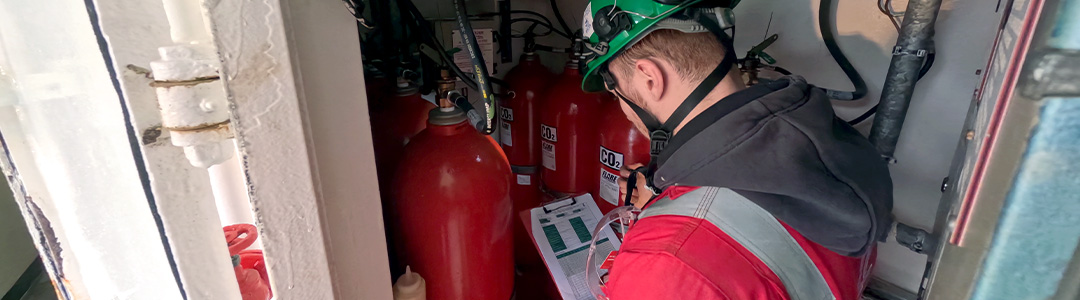
Fixed CO2 or FM200 systems call for even more careful oversight, due to the consequences of a malfunction. Often, modifications are made during maintenance or upgrades that go undocumented. This creates discrepancies that compromise the overall effectiveness of the entire system. This is why our inspection process begins with a "line walk”, physically tracing piping runs to verify that installation matches the plans.
Functional testing uses regulated instrument air to simulate a discharge of the system, testing release mechanisms without the cost and risk of releasing the actual suppression agent. This checks that pneumatic and manual actuators operate correctly, that pressure switches trigger at correct thresholds, and that alarm systems activate as intended.
Our technicians will weigh cylinders to confirm the correct quantity of the extinction agent. Over time, even small leaks can reduce cylinder contents enough to make the system unable to suppress fire. Many modern systems use electronic monitoring, but physical verification is still essential for complete peace of mind.
Helideck safety operates under Civil Aviation Authority Publication 437 (CAP 437), which gives specific equipment requirements for helicopter operations. Crash equipment lockers must contain specific tools: power cutting equipment, smoke hoods, thermal imaging cameras. This all needs to be maintained to a high standard.
Personal gas detection units require calibration using certified gases to ensure sensors for hydrogen sulphide (H2S), Lower Explosive Limit (LEL), and oxygen remain accurate to parts-per-million. We also use bump testing - exposing the detector to a known gas concentration – to check sensors. Full calibration adjusts these sensors to match certified gas concentrations exactly.
The requirement for FFE testing to be carried out by an independent third party isn’t just a regulatory demand. It adds an element of objectivity that doesn’t take operational pressure into account.
Internal maintenance teams or contractors working regularly on the same asset develop familiarity with systems. This can be beneficial for routine maintenance but can also create blind spots during inspections. Equipment that "looks right" based on daily familiarity may not be enough meet technical or legal standards. Modifications made during previous work may have introduced non-conformities that then seem normal to those working with the system on a daily basis.
An independent third party applies standardised procedures consistently across different assets. They have no operational pressure to minimise downtime or overlook marginal deficiencies.
This independence also provides an essential audit trail that stands up to scrutiny. Insurance underwriters and flag state inspectors require evidence that inspections were conducted by qualified, impartial parties following recognised standards.
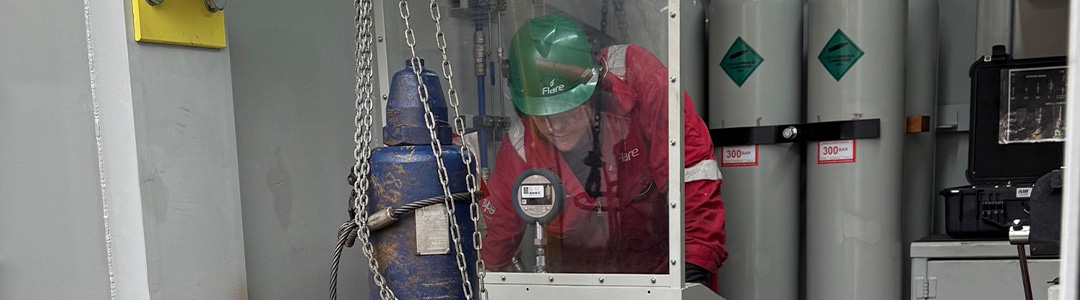
On-site FFE servicing is a practical solution to the problem of equipment removal. Rather than transporting extinguishers, BA cylinders, and other equipment to shore facilities, specialised providers mobilise complete workshops directly to the asset.
These mobile workshops contain all the equipment necessary for the vast majority of servicing operations: hydrostatic test pumps, recharging manifolds, air quality testing apparatus, spare parts inventories, and technical documentation.
The approach offers several advantages:
Equipment stays on-site throughout servicing.
Defects can be addressed immediately rather than identified, reported, and scheduled for future correction. When an inspector has workshop capabilities available, they can often rectify issues during the same mobilisation.
Logistics are simplified. One mobilisation replaces multiple trips and complex shipping arrangement.
POB management is simpler when a single inspection team manages all FFE servicing rather than coordinating multiple vendor visits throughout the year.
Our review process lets us identify requirements for spare parts to ensure we have what we need prior to arrival onboard.
Not all service providers are equal. Here are some things to take into account when looking at options for FFE servicing providers:
Technical qualifications of inspection personnel. What certifications do technicians hold? What manufacturer training have they completed? What experience do they have with the equipment on your asset?
Workshop capabilities and equipment. What testing apparatus do they carry? What spare parts inventory is standard? What is their capability to handle unexpected findings?
Compliance framework and procedures. Do they work to documented standard procedures? How do they handle revision of technical standards? What quality management system governs their work?
Reporting quality. Request sample reports from previous inspections. Do they provide actionable information? Are findings clearly explained with technical justification?
The lowest-cost provider may not deliver the most cost-effective solution when operational disruption, compliance risk, and the potential consequences of equipment failure are factored in.
At Flare, we've built our service model around these principles. Our engineers carry manufacturer certifications across major FFE brands, our mobile workshops are equipped to handle the full scope of offshore servicing requirements, and our Standard Work Procedures are aligned to international standards. More importantly, we understand that every day of equipment downtime or compliance gap represents real operational risk for our clients.
If you're reviewing your FFE servicing contracts or facing challenges with any aspect of equipment maintenance, get in touch with our team. We can discuss your specific requirements and walk through how our approach might work for your assets, no commitment required.
Flare takes pride in being rigorously audited and certified by leading industry organisations.
Read More