The kit was top-tier. The procedures were signed off. Everything was good. Then a small assumption slipped through. An inspection delayed by a week, a gauge read without a second look. And suddenly the margin for error vanished.
In energy and marine operations, equipment matters. Certification matters. Yet the deciding factor, time and again, is what happens between sign-offs.
There's a particular kind of risk that doesn't appear on inspection schedules. It accumulates in the space between audits. In the valve that's always just worked, the extinguisher that hasn't been touched since installation, the pressure reading nobody has questioned because it's never been wrong before.
Complacency doesn’t announce itself. It builds through repetition. The platform runs smoothly, incident-free so teams start to trust the system more than the checks designed to validate it.
This is what disciplined verification looks like in practice. Not a procedure followed because it's required, but a habit that finds things assumptions miss.
During a routine inspection of an Ansul R102 galley system, one of Flare's engineers removed the cabinet panel to begin work and found the isolation bar still in place from the previous year's service. It hadn't been left there accidentally, the bar had been bent to allow the panel to be reattached over it, leaving the system unable to operate while appearing fully functional from the outside.
The most important detail: this failure mode was significant enough that the manufacturer subsequently redesigned the mechanism to make it physically impossible to repeat.
Nobody sets out to compromise a safety system. But when the pressure to complete a job quickly outweighs the discipline to complete it correctly, the gap between a system that looks operational and one that actually is can stay hidden for a very long time.
That kind of finding comes from a particular working environment. Flare's Service Centre of Excellence in Aberdeen operates on the principle that the process is as important as the outcome: fire protection assets, PRVs verified to ABS and DNV standards, each inspection recorded with precision, each service record building a picture of how a system is ageing, not just whether it passed on the day.
Walk into a site where inspection schedules are non-negotiable and the evidence is visible without looking for it. Logs current. Equipment labelled. Permits completed properly. Technicians able to challenge each other on readings without it becoming a confrontation.
The contrast with inconsistent regimes is just as clear. Equipment in service longer than intended. Documentation assembled reactively, ahead of audits rather than maintained between them. Small deviations accumulating because no single one is serious enough to escalate.
Compliance-first maintenance feels like it should make sense. Complete the checklist, pass the audit, move on. And for many organisations that's where safety management ends.
The problem is that risk isn’t even across an asset. Ageing equipment, operating pressures, environmental exposure, these vary from installation to installation and change over time. A maintenance schedule built around default intervals will eventually lose touch with the asset it's meant to protect.
A risk-based approach asks different questions. Which valves are used more than others? Which gauges are calibrated against actual operating conditions rather than assumed ones? Which fire suppression systems were last assessed against current hazards, not the hazards that existed when the system was installed?
These aren't abstract questions. They're the difference between maintenance that provides genuine assurance and maintenance that produces paperwork.
Flare works alongside operators to build programmes that reflect what an asset actually needs. This means engineers assessing systems in situ, reviewing historical data, identifying where deterioration is likely before it becomes a problem. The aim isn't more frequent inspections. It's better-targeted inspection where the risk is highest.
When inspection activity becomes purposeful rather than procedural, something shifts. Teams understand why certain systems receive priority. Safety becomes a shared responsibility rather than an external requirement.
The technician's instinct is usually right before the data confirms it.
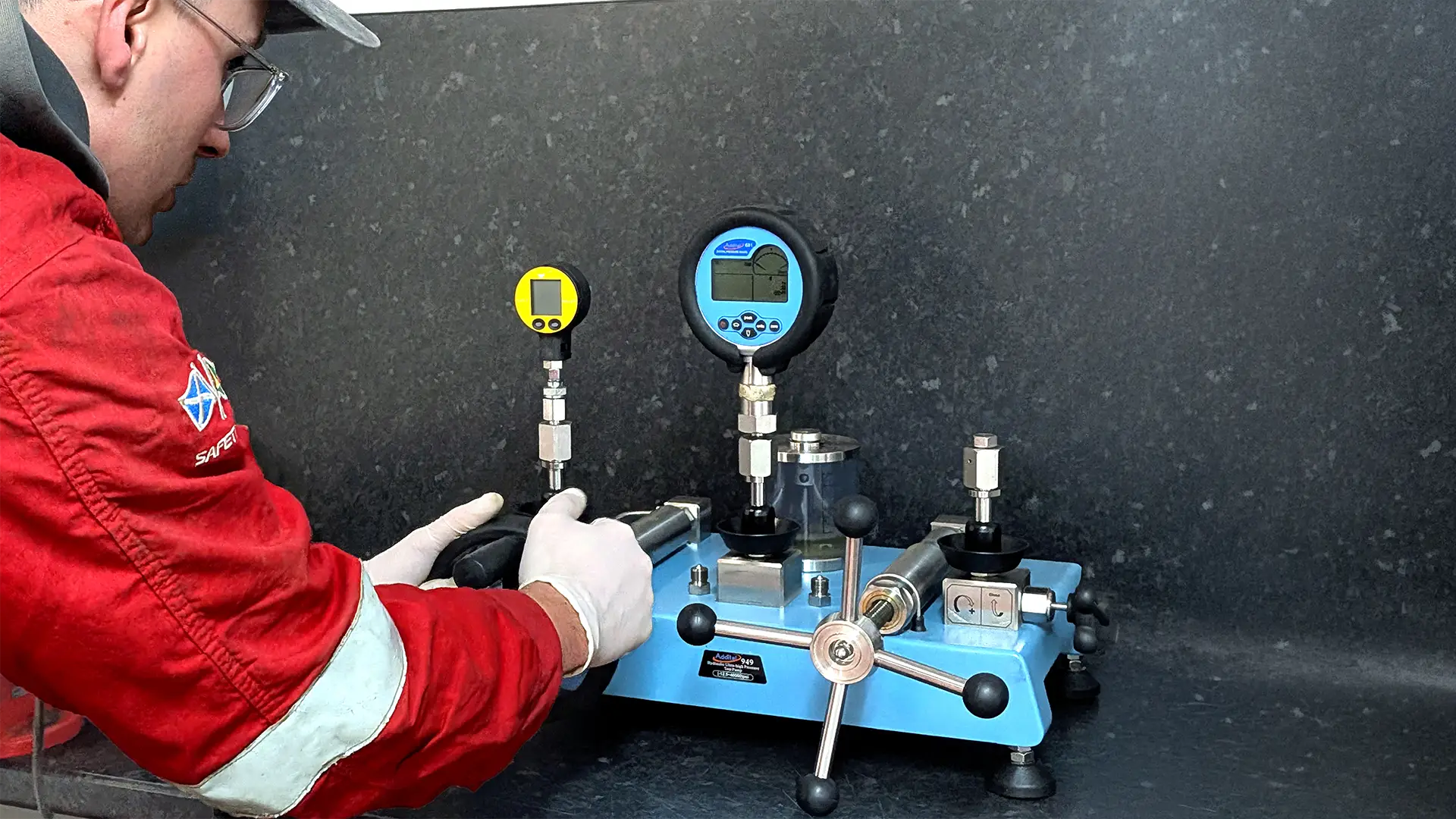
During a routine service, one of Flare's engineers picked up a pressure gauge and said: "This hasn't failed yet but I wouldn't trust it on a bad day."
That judgement didn't come from a manual. It came from having opened enough systems to know the difference between equipment that's functioning and equipment that's holding on.
Certified is not the same as functional. Compliant is not the same as reliable. The gap between them is where most unplanned failures live, and it's only visible to people who are regularly inside the systems, not just auditing them from the outside.
Don't wait for the audit to find out. Flare works with energy and marine operators to identify what's drifting, what's overdue, and what's being assumed rather than verified.
Talk to the team today - contact us.
Flare takes pride in being rigorously audited and certified by leading industry organisations.
Read More